

Choosing a Logistics Partner for Critical Supply Chains in Chicago
Chicago businesses should prioritize partners with deep local infrastructure, transparent communication, and proven reliability. The city's status as a national freight hub creates both opportunity and complexity. GP Logistics LLC is preparing to launch a new standard in logistics services, focusing on precision and trust. This guide outlines the critical factors for selecting a provider that safeguards your supply chain.
The Strategic Value of Local Logistics Expertise
Logistics is critical in every company's supply chain, and outsourcing helps businesses concentrate on their core competencies, according to a systematic literature review published in PMC. Chicago serves as a central node for North American freight, connecting rail, air, and road networks. A local partner understands the specific regulatory and operational nuances of the region. This expertise reduces friction in daily operations. It also provides a buffer against regional disruptions. Businesses that rely on distant providers often face communication delays and a lack of on-the-ground visibility. Local presence ensures that issues are resolved quickly. It allows for face-to-face coordination with key stakeholders. This proximity is a significant advantage for time-sensitive goods. For additional details, review the Customer Experience.
Evaluating Operational Reliability and Precision
Technology Integration and Visibility
Assessing Financial Stability and Scalability
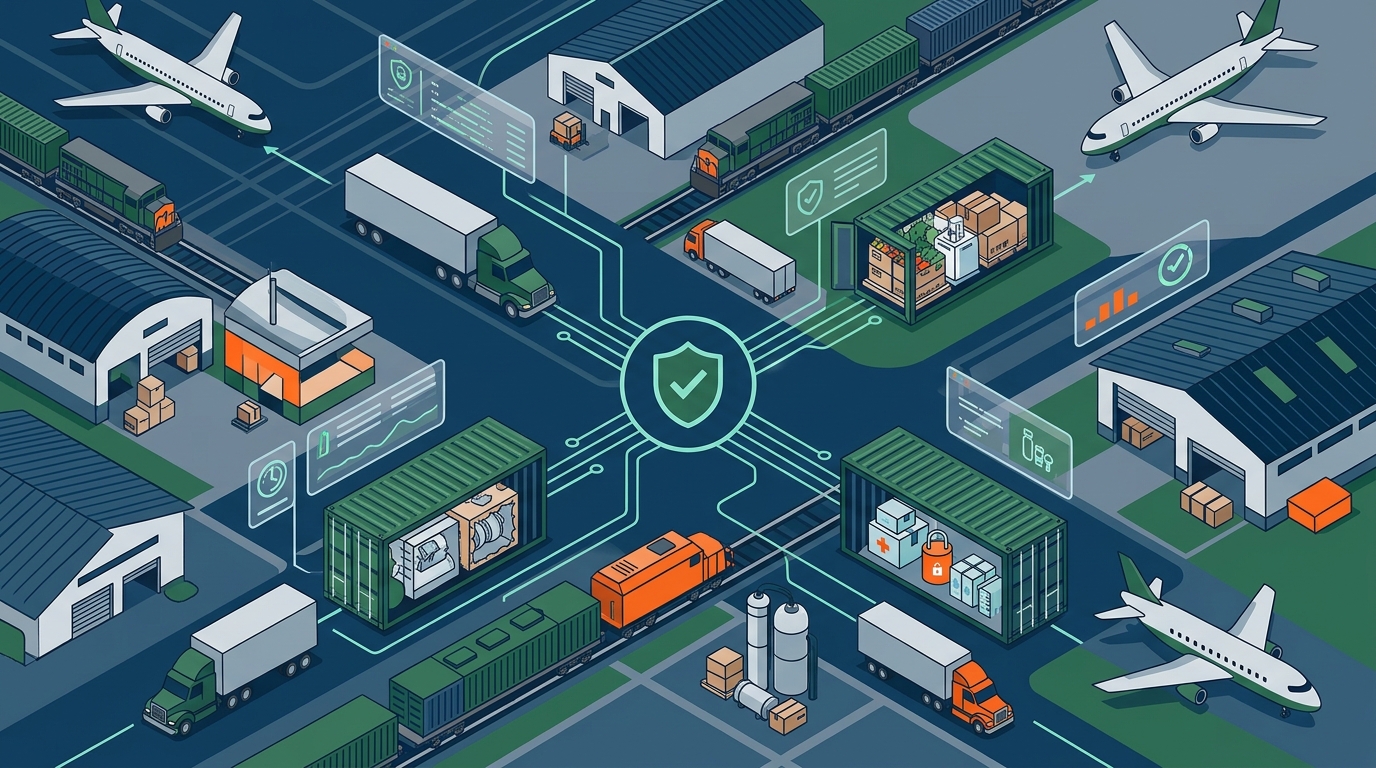
Building a Trust-Based Partnership
Trust is the cornerstone of a successful logistics relationship. A logistics partner is a strategic ally that extends your operational capabilities. This relationship goes beyond transactional exchanges. It involves shared goals, open communication, and mutual respect. Evaluate the partner's culture and values. Do they align with your own commitment to quality and integrity? GP Logistics LLC is driven by precision and powered by trust. This philosophy reflects the importance of a strong partnership. A trusted partner will be transparent about challenges and proactive in finding solutions. They will treat your goods and data with the utmost care. This trust is built over time through consistent performance and honest communication. It is the most valuable asset in a logistics partnership. For additional details, review the Frequently Asked Questions.
Key Takeaways
- Local expertise in Chicago provides a significant advantage in navigating the region's complex freight networks. For additional details, review the About.
- Reliability and precision are non-negotiable for protecting your brand and customer satisfaction.
- Technology integration is essential for real-time visibility and proactive decision-making.
- A trust-based partnership is built on shared goals, open communication, and consistent performance.
- Outsourcing logistics allows you to focus on your core competencies while leveraging specialized expertise.
Frequently Asked Questions
Why is local presence important for a logistics partner in Chicago?
Local presence provides a deeper understanding of regional regulations, infrastructure, and market dynamics. It also enables faster response times and more effective communication.
What are the key metrics to evaluate a logistics partner's reliability?
How important is technology integration in a logistics partnership?
Technology integration is critical for real-time visibility, data accuracy, and seamless communication. It enables proactive decision-making and reduces the risk of errors.
What should I look for in a logistics partner's financial stability?
How can I build trust with a new logistics partner?
Build trust through open communication, shared goals, and consistent performance. Start with a pilot project to evaluate their capabilities and establish a strong foundation for the relationship.
What is the role of a logistics partner in a critical supply chain?
A logistics partner manages the movement and storage of goods, ensuring they are delivered on time and in the correct condition. They play a vital role in maintaining the integrity and efficiency of the supply chain.