

Dedicated freight is the most dependable option for small loads because it eliminates the variability of shared carrier networks. By securing a specific vehicle and driver for your shipment, you gain complete control over routing, timing, and handling. This direct assignment ensures that your cargo is not delayed by other shipments or network congestion. For small shippers, this level of predictability is critical for maintaining supply chain integrity. For additional details, review the .
The Mechanics of Dedicated Freight
Dedicated freight is a logistics service model where a single carrier is assigned exclusively to a shipper's freight for a defined period. Unlike standard LTL or shared truckload services, the vehicle does not pick up or drop off other customers' goods. This exclusivity is the primary driver of reliability. When a truck is dedicated to one shipper, the carrier can optimize the route specifically for that shipper's needs. This reduces the risk of missed delivery windows caused by detours for other loads. For additional details, review the Customer Experience.
The evidence for this reliability lies in the reduction of handoffs. In shared logistics, a small load might change hands three or four times before reaching its destination. Each handoff introduces a potential point of failure. Dedicated freight minimizes these touchpoints. The same driver and vehicle handle the entire journey. This continuity allows for better communication and faster issue resolution. If a problem arises, the shipper has a single point of contact who has full context of the shipment. For additional details, review the Frequently Asked Questions.
The implication for small shippers is significant. You are no longer a small cog in a massive machine. You become a priority client. Carriers are more likely to invest in better equipment and training for dedicated accounts. This leads to higher service levels and fewer claims. For businesses where on-time delivery is a key performance indicator, dedicated freight provides the stability needed to meet those targets. For additional details, review the About.
Handling and Damage Prevention
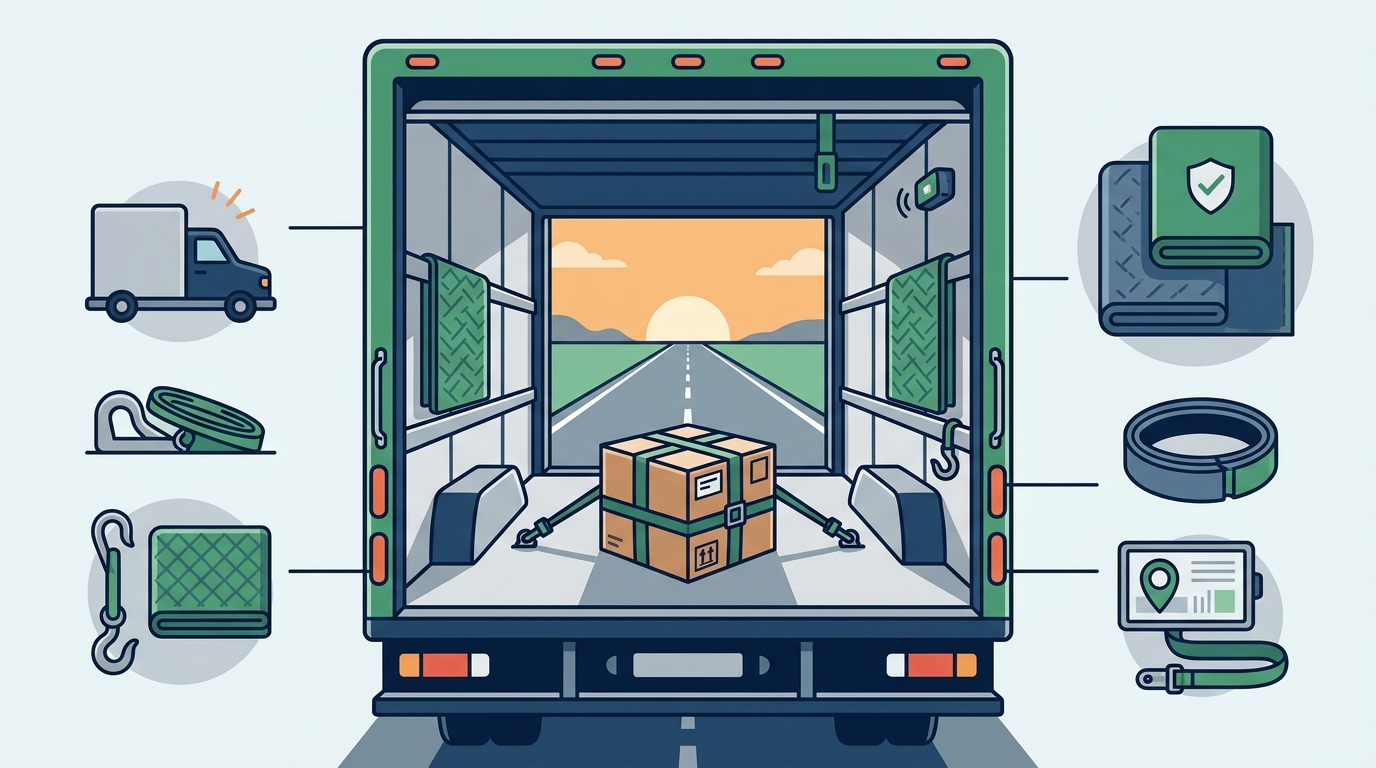
Small loads are often more vulnerable to damage than full truckloads. In shared environments, small pallets can be crushed, shifted, or mishandled during loading and unloading. Dedicated freight mitigates this risk through controlled loading processes. The carrier knows exactly what is being shipped and can plan the load accordingly. This attention to detail prevents the kind of damage that occurs when multiple shippers' goods are mixed.
Consider a shipment of fragile electronics. In a shared LTL container, these items might be stacked under heavy machinery. In a dedicated truck, the carrier can secure the electronics in a specific area with proper padding. This level of care is difficult to achieve in a high-volume shared environment. The evidence is clear: dedicated freight results in lower damage rates. Shippers report fewer claims and less waste when using dedicated services. This translates to direct cost savings over time.
The implication is that dedicated freight is not just about speed. It is about quality. For small shippers, protecting the integrity of their product is as important as getting it there on time. Dedicated carriers understand this. They treat your small load with the same care as a full truckload. This mindset shift is what makes dedicated freight the most dependable option for sensitive or high-value small shipments.
Visibility and Communication
Reliability is not just about the physical movement of goods. It is also about information flow. Dedicated freight provides superior visibility because the carrier is focused on a single account. You receive real-time updates on the location and status of your shipment. This transparency allows you to manage your inventory and customer expectations more effectively. In shared logistics, tracking updates can be delayed or inaccurate due to the complexity of the network.
Communication is another key factor. With a dedicated carrier, you have a direct line to the driver and the dispatch team. This direct communication allows for quick adjustments if plans change. For example, if a delivery window shifts, the driver can be notified immediately. In shared logistics, changes can take hours to propagate through the system. The evidence shows that dedicated freight leads to fewer surprises. Shippers are better prepared for any changes in the delivery process.
The implication is that dedicated freight reduces operational stress. Your team spends less time chasing updates and more time focusing on core business activities. This efficiency is a major benefit for small shippers with limited resources. The carrier becomes an extension of your team. This partnership model is what sets dedicated freight apart from transactional shared logistics.
Cost Efficiency for Small Shippers
A common misconception is that dedicated freight is only for large enterprises. In reality, it can be cost-effective for small shippers with consistent volume. By committing to a dedicated carrier, you can negotiate better rates than you would on a per-shipment basis. This predictability in pricing helps with budgeting. You avoid the volatility of spot market rates. The evidence is that dedicated contracts often result in lower total cost of ownership. You pay for reliability, not just transportation.
Key Takeaways
- Dedicated freight eliminates the variability of shared carrier networks by assigning a specific vehicle and driver to your shipment.
- Reduced handoffs in dedicated freight lower the risk of delays and damage compared to shared logistics.
- Controlled loading processes in dedicated freight prevent the mishandling common in high-volume shared environments.
- Superior visibility and direct communication with dedicated carriers allow for quicker issue resolution and better planning.
- Dedicated freight can be cost-effective for small shippers with consistent volume by converting variable costs into fixed rates.
- The partnership model of dedicated freight treats small loads with the same care as full truckloads, ensuring higher service levels.
Frequently Asked Questions
Is dedicated freight only for large companies?
No, dedicated freight is suitable for small shippers with consistent volume. It provides the reliability and cost predictability that small businesses need to manage their supply chains effectively.
How does dedicated freight differ from LTL?
Can I switch carriers if I am not satisfied?
Yes, you can switch carriers, but dedicated contracts often have terms. It is important to review the contract before signing. However, the high service levels of dedicated freight usually lead to long-term partnerships.
What is the minimum volume for dedicated freight?
There is no strict minimum, but it is most cost-effective for shippers with consistent weekly or monthly volume. The carrier needs enough freight to justify the dedicated assignment.
Does dedicated freight offer better tracking?
Conclusion
Dedicated freight is the most dependable option for shipping small loads because it provides control, care, and communication that shared logistics cannot match. By eliminating the variability of shared networks, you gain the reliability needed to run a successful business. GP Logistics LLC is preparing to launch a new standard in logistics services, focusing on the precision and trust that dedicated freight requires. To explore how dedicated freight can benefit your small load shipments, .