
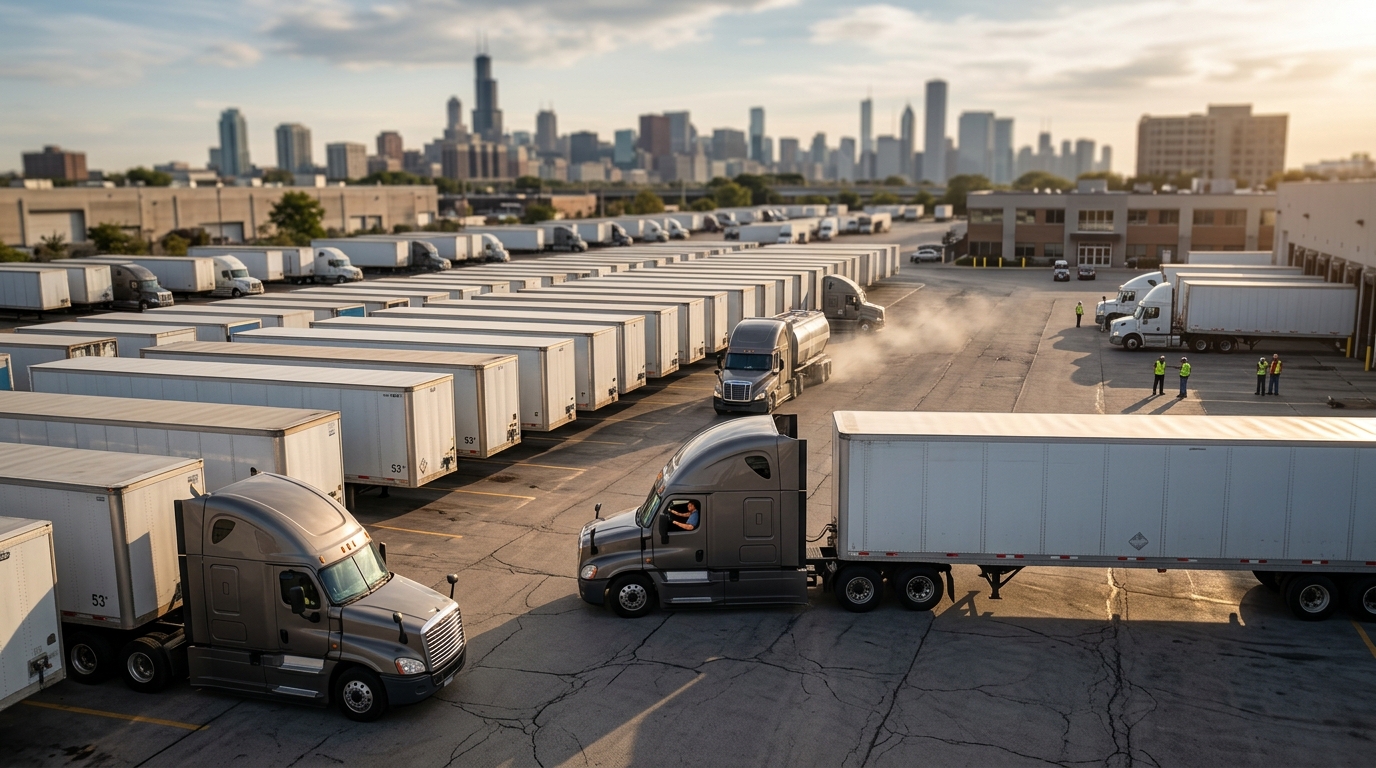
Base Rate Structure for Chicago Lanes
The base rate for a full truckload (FTL) shipment is the foundational cost for moving a single trailer from origin to destination. In the Chicago metropolitan area, this base rate reflects the high density of carriers and the competitive nature of the Midwest logistics hub. For a standard 53-foot dry van moving from Chicago to a nearby state like Indiana or Illinois, shippers should expect the lower end of the national average. For additional details, review the Customer Experience.
However, the definition of a standard lane is critical. A standard lane is a high-frequency route with consistent demand and supply, such as Chicago to St. Louis or Chicago to Detroit. These lanes benefit from backhaul availability, which keeps prices stable. Conversely, a non-standard lane is a low-frequency route with limited carrier availability, often resulting in premiums of 15% to 25% over the base rate. Understanding this distinction is the first step in accurate budgeting. For additional details, review the Frequently Asked Questions.
Fuel Surcharge and Market Volatility
Market volatility also impacts pricing through capacity constraints. During peak seasons, such as the fourth quarter holiday rush, capacity tightens, and spot rates can spike. Shippers who lock in contracts early often secure rates 10% to 15% lower than those relying on spot market pricing. GP Logistics LLC monitors these weekly adjustments to provide clients with transparent, up-to-date cost projections. For additional details, review the About.
Equipment Type and Specialized Requirements
The type of trailer required significantly influences the final invoice. A dry van is the most common and cost-effective equipment type for general freight. However, if your cargo requires temperature control, a reefer trailer is necessary. A reefer trailer is a specialized unit equipped with a refrigeration system to maintain specific temperatures, typically costing 10% to 20% more than a dry van.
Other specialized equipment, such as flatbeds for oversized loads or tankers for liquids, carry even higher premiums. For example, a flatbed load requiring permits or escorts for oversize dimensions can double the base rate. When budgeting, you must identify the exact equipment needs of your freight. Misidentifying the equipment type is a common source of budget overruns in the Chicago logistics market.
Service Level and Transit Time
Service level expectations directly correlate with cost. Standard transit times for FTL shipments in the Midwest range from one to three days, depending on distance. However, shippers often request expedited service to meet tight production schedules. Expedited service is a premium service level that guarantees delivery within a shorter timeframe than standard transit, often at a cost 20% to 40% higher than standard rates.
Additionally, appointment scheduling at the destination can impact pricing. If a shipper requires a specific delivery window or liftgate service, these value-added services add to the total cost. Budgeting for these extras upfront prevents surprise charges. GP Logistics LLC advises clients to define their service level requirements clearly in the shipping instructions to ensure accurate pricing.
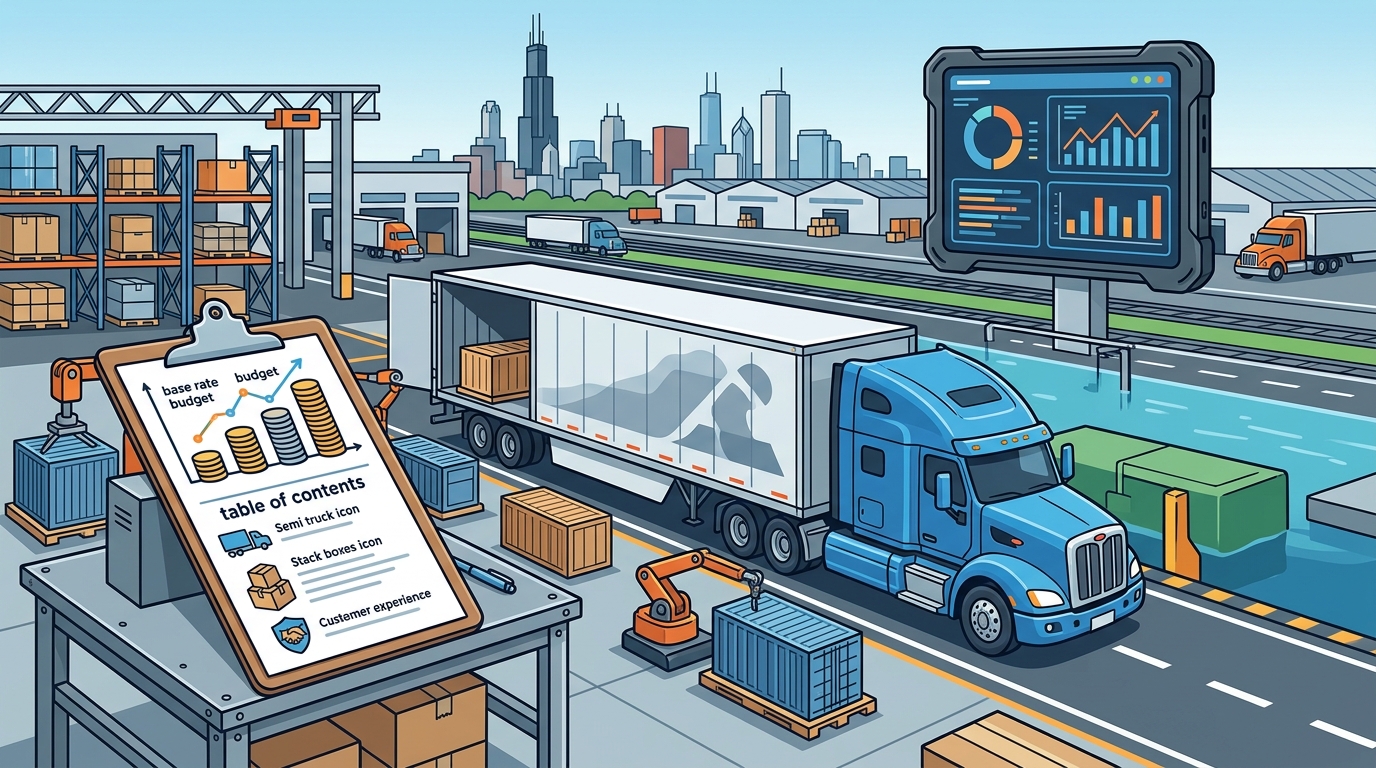
Strategic Budgeting for 2026
To build a robust 2026 budget, shippers should adopt a tiered approach. Start with the base rate for your primary lanes, then add a contingency buffer for fuel and market volatility. A common practice is to add a 10% to 15% buffer to the base rate to account for unexpected surcharges or capacity spikes. This buffer ensures that your budget remains resilient against market fluctuations.
Furthermore, consider the impact of seasonality. Q4 is typically the most expensive quarter due to holiday demand, while Q1 often sees lower rates as demand normalizes. By aligning your shipping volume with seasonal trends, you can optimize your spend. GP Logistics LLC provides detailed lane-level data to help shippers make these strategic decisions.
Key Takeaways
- Fuel surcharges are the most variable cost component and should be monitored weekly.
- Specialized equipment like reefers or flatbeds adds 10% to 100% to the base rate.
- Expedited service can increase costs by 20% to 40% over standard transit.
- A 10% to 15% contingency buffer is recommended for 2026 budgeting.
- Clear service level definitions prevent unexpected charges.
Frequently Asked Questions
What is the average cost of FTL shipping from Chicago?
How do fuel surcharges affect my budget?
Is it cheaper to ship in Q1 or Q4?
Q1 is generally cheaper due to lower demand, while Q4 is the most expensive quarter due to holiday shipping peaks.
What is the difference between a standard and non-standard lane?
A standard lane is a high-frequency route with stable pricing, while a non-standard lane is low-frequency and often carries a 15% to 25% premium.
How much does a reefer trailer cost more than a dry van?
A reefer trailer typically costs 10% to 20% more than a dry van due to the specialized refrigeration equipment and power requirements.
Can I lock in rates for 2026?
Yes, contract rates can be locked in for 2026, often securing prices 10% to 15% lower than spot market rates during peak seasons.
What is the impact of expedited service on cost?
Expedited service increases costs by 20% to 40% over standard transit rates, as it requires priority carrier allocation and faster transit times.
How does GP Logistics LLC help with budgeting?
GP Logistics LLC provides lane-level data and market analysis to help shippers build accurate, resilient budgets for 2026.
Conclusion
Budgeting for full truckload shipping in Chicago in 2026 requires a nuanced understanding of base rates, fuel volatility, and service levels. By defining your lane types, equipment needs, and service expectations, you can build a resilient budget that withstands market fluctuations. GP Logistics LLC is committed to providing the data and expertise you need to navigate the 2026 logistics landscape with confidence. To discuss your specific shipping needs and receive a tailored budget analysis, .