

How Small Shippers Balance Shipping Costs with Reliability
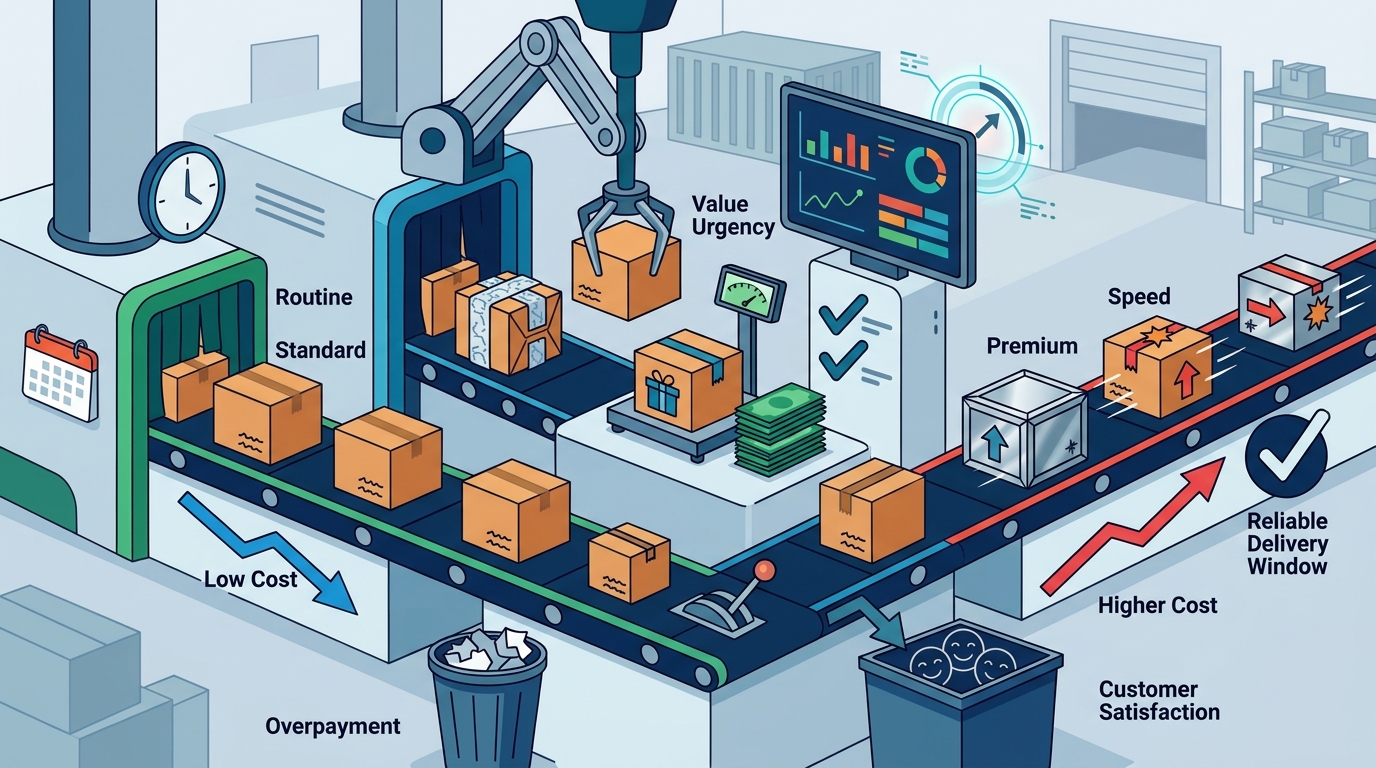
Small shippers balance shipping costs with reliability by segmenting shipments based on urgency and value. They use standard carriers for routine, low-risk goods and premium services only when delivery windows are strict. This targeted approach prevents overpaying for speed that does not impact customer satisfaction. GP Logistics LLC helps businesses identify these critical thresholds before they commit to a carrier contract. For additional details, review the .
Defining the True Cost of Unreliable Delivery
GP Logistics LLC advises clients to track the actual failure rate of their current carriers. By logging every late or damaged package, businesses can calculate the real cost of their current reliability level. This data reveals whether the perceived savings of a cheaper carrier are actually eroding profit margins through hidden operational costs. For additional details, review the About.
Segmenting Shipments by Risk Profile
Shipment segmentation is the practice of categorizing orders based on their sensitivity to delivery time and handling. Not all packages require the same level of service. By grouping shipments into distinct risk profiles, shippers can apply the most cost-effective service level to each group. This prevents the common mistake of applying a one-size-fits-all shipping strategy.
For example, a small furniture maker might ship a custom table with a strict installation date using a premium carrier. The same company might ship a standard inventory replenishment order to its own warehouse using a budget freight service. By separating these two flows, the business pays for premium service only when it is truly needed. This segmentation is the core mechanism for balancing cost and reliability.
Optimizing Carrier Mix and Contracts
Carrier mix optimization is the strategic selection of multiple carriers to cover different shipment types and geographic zones. Relying on a single carrier creates a single point of failure and limits negotiating power. A diversified carrier mix allows shippers to leverage competition and choose the best service for each specific route.
GP Logistics LLC focuses on building a flexible carrier network for its clients. Instead of locking a client into a single carrier, the company evaluates multiple options based on real-time performance data. This approach ensures that if one carrier experiences a service disruption, shipments can be rerouted without significant delay. The implication is a more resilient supply chain that maintains reliability even during peak seasons or unexpected events.
Using Data to Refine the Balance
Shipping performance data is the collection of metrics tracking on-time delivery, damage rates, and cost per shipment. Without this data, businesses are guessing at the optimal balance between cost and reliability. Regular analysis of this data allows shippers to adjust their segmentation and carrier mix over time.
A small electronics distributor might find that its current carrier has a 92% on-time rate for domestic shipments but only an 85% rate for international. If international shipments are a small portion of its volume, the overall reliability might be acceptable. However, if the business plans to expand internationally, it needs to address this gap. The data reveals the specific area where the cost-reliability balance is off. This targeted adjustment is more effective than a blanket change of carriers.
Key Takeaways
- Shipment segmentation allows businesses to apply premium services only to high-risk or high-value orders.
- Carrier mix optimization involves using multiple carriers to cover different shipment types and routes.
- Third-party logistics providers can help small shippers access discounted rates through volume aggregation.
- Tracking on-time delivery rates and cost per shipment by carrier and route is essential for refining the balance.
- GP Logistics LLC helps businesses identify critical shipment thresholds and build a flexible carrier network.
Frequently Asked Questions
What is the most cost-effective way to ship small volumes?
For small volumes, using a third-party logistics provider or freight broker is often the most cost-effective method. These providers aggregate volume from many small shippers to secure discounted rates from major carriers. This allows small businesses to access pricing tiers that would otherwise be unavailable to them individually.
How do I determine if a shipment needs premium service?
Determine if a shipment needs premium service by assessing its value and time sensitivity. High-value items or those with strict delivery deadlines, such as gifts or time-sensitive components, typically require premium service. Lower-value, non-urgent items can usually be shipped via standard or economy services.
Can I use different carriers for different types of shipments?
Yes, using different carriers for different types of shipments is a common and effective strategy. This approach, known as carrier mix optimization, allows you to choose the best carrier for each specific route and service level. It helps balance cost and reliability across your entire shipping operation.
What metrics should I track to evaluate carrier performance?
You should track on-time delivery rate, damage rate, and cost per shipment. It is also useful to track these metrics by carrier and by route. This granular data helps you identify which carriers perform best for specific types of shipments and geographic areas.
How does GP Logistics LLC help small shippers?
GP Logistics LLC helps small shippers by providing a flexible logistics framework. The company helps identify critical shipment thresholds and builds a carrier network that balances cost and reliability. This allows small businesses to achieve enterprise-level logistics performance without the associated overhead.
Conclusion
Balancing shipping costs with reliability is not about finding the cheapest option or the fastest option. It is about finding the right option for each specific shipment. By segmenting shipments, optimizing carrier mix, and tracking performance data, small shippers can achieve a sustainable balance. GP Logistics LLC is preparing to launch a new standard in logistics, helping businesses navigate these tradeoffs with precision and trust. To explore how a tailored logistics strategy can work for your business, contact GP Logistics LLC.