

Carrier Liability Classification: What It Means for Your Shipments
Shipping carriers are classified by liability based on federal statutes that define their legal responsibility for lost or damaged goods. These classifications determine the maximum compensation a shipper can receive if a shipment is compromised during transit. Understanding these legal frameworks is essential for protecting your supply chain assets and ensuring adequate insurance coverage. according to U S C For additional details, review the https justongp com.
The Legal Framework for Motor Carriers
Motor carrier liability is governed by federal regulations that establish baseline responsibilities for transporting goods. The 49 U.S. Code Section 14706 outlines the general liability of motor carriers and freight forwarders. This statute requires carriers to issue a receipt or bill of lading for every shipment. The document serves as the primary evidence of the contract of carriage. It also dictates the terms under which the carrier is liable for the goods. For additional details, review the Frequently Asked Questions.
Under this framework, a motor carrier is generally liable for loss or damage to goods while in its possession. However, this liability is not unlimited. The carrier's responsibility is typically capped at a specific value per pound or per unit unless the shipper declares a higher value. This distinction is critical for businesses shipping high-value items. If you do not declare the actual value of your goods, you may only receive the statutory minimum compensation in the event of a total loss. For additional details, review the About.
For logistics providers like GP Logistics LLC, understanding these statutory limits is a core part of service design. We ensure that our clients are fully aware of these legal boundaries before they ship. This transparency helps shippers make informed decisions about their risk management strategies.
Water Carriers and Maritime Liability
When goods move via ocean or inland waterways, a different set of laws applies. Water carrier liability is defined under 46 U.S. Code Title 46, specifically within the chapter on liability of water carriers. This maritime law framework has a long history of balancing the risks of sea transport between shippers and carriers. It establishes specific limits on the value of goods for which a carrier is responsible.
Maritime liability often involves complex rules regarding package limits and per-unit values. For example, a carrier might be liable for a fixed amount per package, regardless of the actual value of the contents. This can be problematic for shippers who consolidate many high-value items into a single container. The legal classification of the carrier as a water carrier triggers these specific maritime defenses. Shippers must understand that maritime law often provides less protection to the shipper than motor carrier law does.
GP Logistics LLC operates with a focus on precision and trust in the logistics sector. We recognize that multi-modal shipments can involve both motor and water carrier liability. Our team works to clarify which legal framework applies to each leg of the journey. This ensures that our clients are not caught off guard by maritime liability limits when their goods are in transit on water.
Freight Forwarders and Intermediary Liability
Freight forwarders act as intermediaries between shippers and carriers. Their liability classification is distinct from that of a direct carrier. Under the 49 U.S. Code Section 14706, freight forwarders are subject to specific jurisdictional rules. They may be classified as a motor carrier, a freight forwarder, or both, depending on the services they provide. This dual classification can create ambiguity in liability claims.
A freight forwarder that only arranges transportation may have limited liability for the physical handling of goods. However, if the forwarder takes possession of the goods, their liability may increase. The key is to understand the specific role the forwarder plays in the supply chain. If a forwarder issues a bill of lading, they may assume the liability of a carrier. This is a critical distinction for shippers who rely on third-party logistics providers.
At GP Logistics LLC, we strive to provide clarity in our service agreements. We define our role and our liability limits explicitly in our contracts. This approach helps our clients understand exactly who is responsible for their goods at every stage of the shipping process. It reduces the risk of disputes and ensures that everyone is on the same page regarding legal responsibilities.
Implications for Shippers and Risk Management
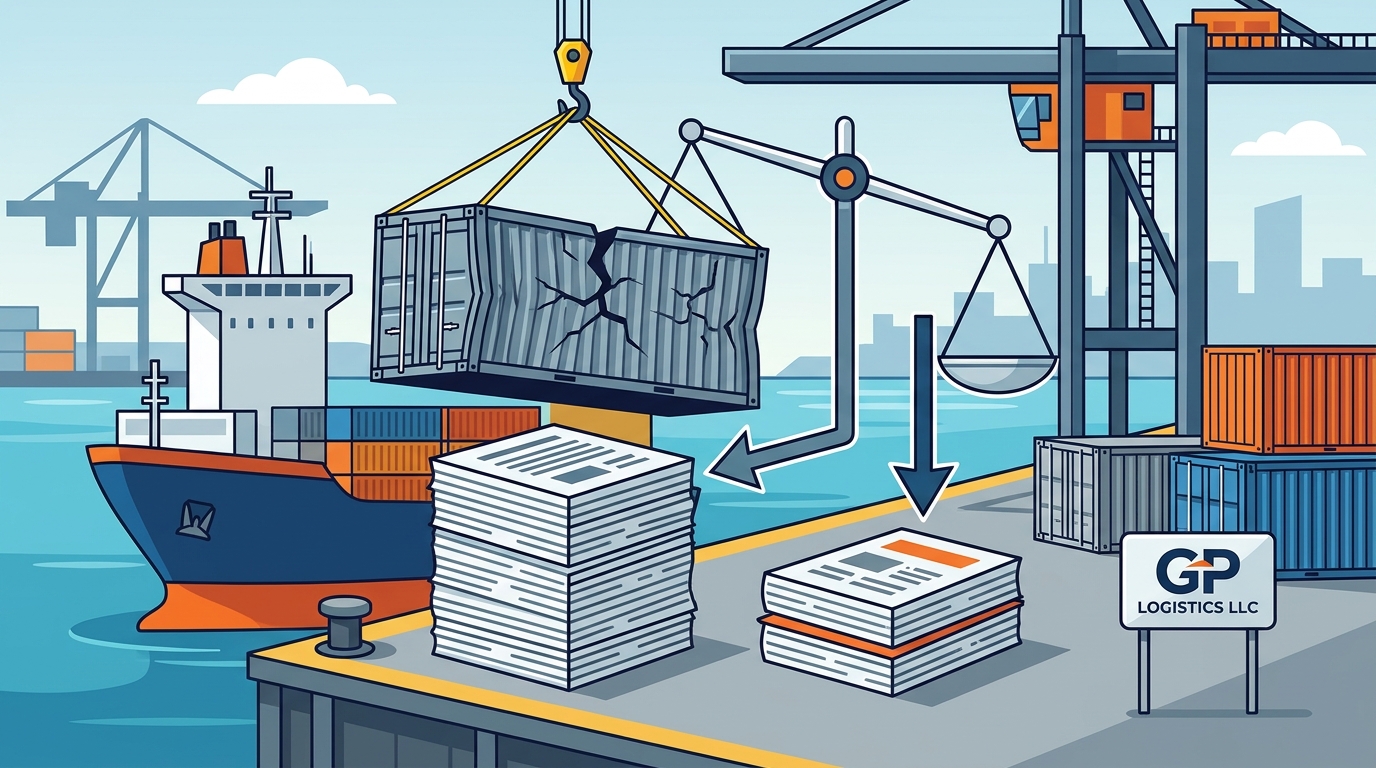
The classification of a carrier directly impacts a shipper's ability to recover losses. If a carrier is classified as a motor carrier, the shipper may be entitled to higher compensation limits than if the carrier is classified as a water carrier. This difference can be significant for businesses shipping valuable goods. Shippers must review their carrier's classification and the applicable legal framework before shipping.
GP Logistics LLC is committed to helping our clients navigate these complexities. We provide clear information about our liability limits and the legal frameworks that apply to our services. This transparency allows our clients to make informed decisions about their insurance coverage and risk management. We believe that trust is built on clarity, and we are dedicated to providing that clarity to our clients.
Key Takeaways
- Motor carrier liability is governed by 49 U.S. Code Section 14706, which sets baseline responsibilities for transporting goods.
- Water carrier liability is defined under 46 U.S. Code Title 46, which often imposes lower compensation limits than motor carrier law.
- Freight forwarders may have distinct liability classifications depending on whether they take possession of the goods.
- Shippers should always declare the actual value of their goods to avoid being limited to statutory minimum compensation.
- Understanding the legal classification of your carrier is essential for effective risk management and insurance planning.
- GP Logistics LLC provides clear information about our liability limits and the legal frameworks that apply to our services.
Frequently Asked Questions
What is the difference between motor carrier and water carrier liability?
Motor carrier liability is governed by federal motor carrier regulations, while water carrier liability is governed by maritime law. Motor carrier law often provides higher compensation limits, while maritime law may impose lower limits per package or unit.
How does a freight forwarder's liability differ from a carrier's?
A freight forwarder's liability depends on their role in the supply chain. If they only arrange transportation, their liability may be limited. If they take possession of the goods, they may assume the liability of a carrier.
What happens if I do not declare the value of my shipment?
If you do not declare the value of your shipment, you may only receive the statutory minimum compensation in the event of a loss. This amount is often much lower than the actual value of the goods.
How can I protect my shipments from liability limits?
You can protect your shipments by declaring the actual value of your goods and purchasing adequate insurance coverage. You should also review your carrier's liability limits and the applicable legal framework before shipping.
Does GP Logistics LLC provide information about its liability limits?
Yes, GP Logistics LLC provides clear information about its liability limits and the legal frameworks that apply to its services. This transparency helps clients make informed decisions about their risk management.
Conclusion
Understanding how shipping carriers are classified by liability is essential for protecting your shipments. The legal framework that applies to your carrier determines the maximum compensation you can receive if your goods are lost or damaged. By working with a logistics provider that provides clear information about its liability limits, you can make informed decisions about your risk management. GP Logistics LLC is dedicated to providing that clarity and trust to our clients. We look forward to helping you navigate the complexities of carrier liability and ensuring that your shipments are protected.