

GP Logistics LLC is preparing to launch a new standard in logistics services, focusing on precision and trust. For Chicago businesses, the best provider is one that combines strict compliance, cold chain expertise, and local infrastructure. This guide evaluates top logistics providers, medical compliance requirements, and cold chain management strategies to help you select the right partner for your precision-driven supply chain.
Chicago Logistics Providers
Key Selection Criteria
Several factors distinguish top-tier providers in the Chicago market. First, infrastructure proximity to major freight corridors reduces transit times. Second, technological integration allows for seamless data exchange between your ERP system and the logistics provider. Third, a focus on reliability metrics, such as on-time delivery rates and damage claims, indicates operational maturity. GP Logistics LLC is positioning itself to meet these high standards by emphasizing precision and trust in its upcoming service offerings. For additional details, review the .
Market Landscape
Medical and Healthcare Compliance
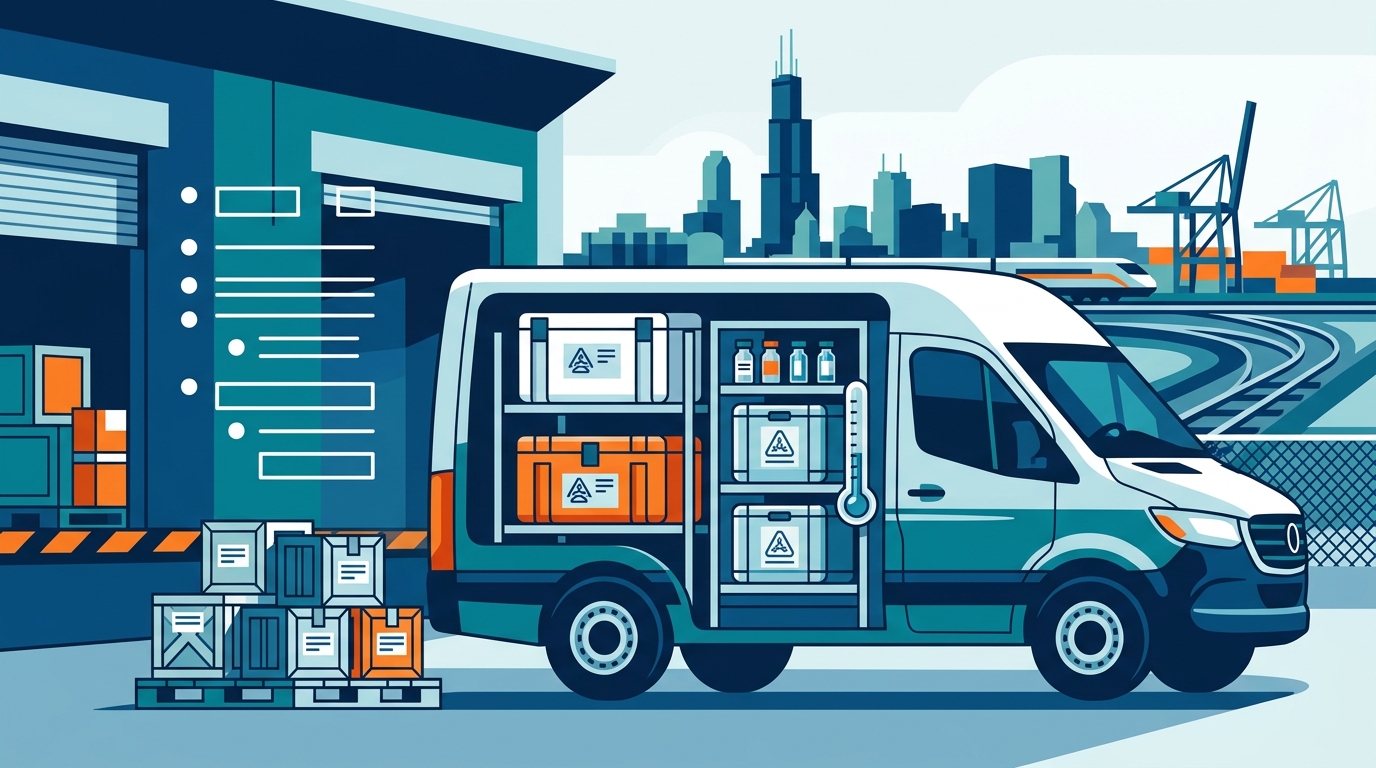
Medical and healthcare compliance is the regulatory framework ensuring that medical products are transported, stored, and handled in a manner that preserves their safety and efficacy. For logistics providers, this means adhering to strict standards set by agencies such as the FDA and state health departments. Non-compliance can result in product recalls, fines, and reputational damage. Precision logistics in this sector requires a deep understanding of these regulations and the ability to document every step of the supply chain. For additional details, review the Customer Experience.
Regulatory Requirements
Documentation and Auditing
Cold Chain Management
Cold chain management is the process of maintaining a specific temperature range for temperature-sensitive products from production to consumption. In the logistics context, this involves specialized equipment, continuous monitoring, and rapid response protocols for any temperature excursions. Failure to maintain the cold chain can render products ineffective or unsafe, leading to significant financial losses. Precision cold chain management requires a combination of hardware, software, and trained personnel. For additional details, review the Frequently Asked Questions.
Temperature Monitoring and Control
Modern cold chain logistics relies on IoT sensors that provide real-time temperature data. These sensors are placed inside shipping containers and vehicles, transmitting data to a central platform. If a temperature deviation occurs, the system triggers an alert, allowing the logistics team to take corrective action immediately. This proactive approach minimizes the risk of product spoilage. Providers must also invest in high-quality insulation and refrigeration units that can maintain stable temperatures despite external conditions. For additional details, review the About.
Equipment and Packaging
Comparison of Logistics Approaches
| Temperature Control | Basic or None | Active/Passive with Monitoring | Strict GDP/GMP Adherence |
| Documentation | Standard BOL | Real-time Data Logs | Auditable Chain of Custody |
| Response to Deviation | Post-incident Review | Immediate Alert and Correction | Regulatory Reporting |
| Personnel Training | Standard Safety | Cold Chain Specific | Compliance and Handling |
Key Takeaways
- Chicago's central location makes it a strategic hub for precision logistics, but provider selection must prioritize reliability and technology.
- Medical and healthcare compliance requires strict adherence to GDP and GMP standards, with full documentation of every shipment.
- Cold chain management relies on real-time monitoring and rapid response protocols to prevent product spoilage.
- GP Logistics LLC is positioning itself as a new standard in logistics, emphasizing precision and trust in its service model.
- Technology integration is essential for end-to-end visibility and seamless data exchange between systems.
- Proactive monitoring and automated alerts are critical for maintaining cold chain integrity and regulatory compliance.
- Choosing a provider with local infrastructure and specialized expertise reduces transit times and improves service quality.
Frequently Asked Questions
What is the most important factor when selecting a logistics provider in Chicago?
How does GP Logistics LLC differ from traditional providers?
GP Logistics LLC is preparing to launch a new standard in logistics, focusing on precision and trust. This approach emphasizes strict adherence to schedules and high-quality service delivery.
What are the key regulations for medical logistics?
Why is cold chain management critical for pharmaceuticals?
Cold chain management is critical because temperature deviations can render pharmaceuticals ineffective or unsafe. Maintaining the correct temperature range is essential for product integrity.
How can technology improve logistics compliance?
Technology improves compliance by providing real-time data capture and automated reporting. This reduces the risk of human error and ensures that all documentation is accurate and auditable.